
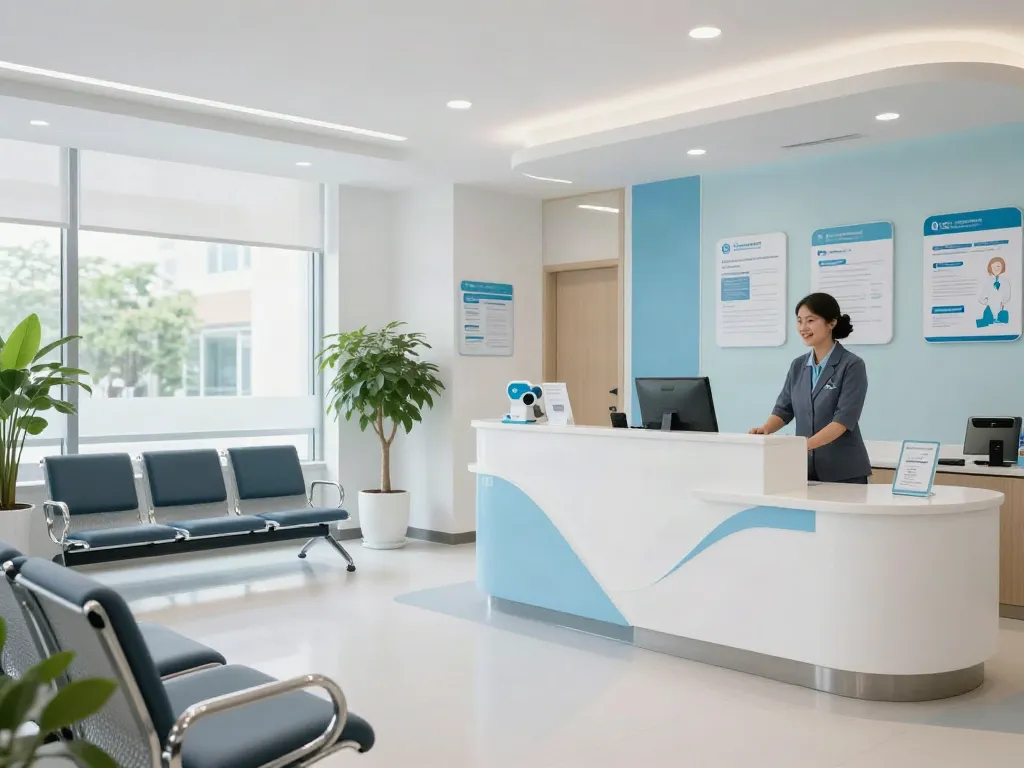
Understanding the Link Slot Concept in Healthcare
The concept of "link slot" in healthcare represents a crucial strategy for integrating various aspects of patient care and enhancing overall health outcomes. As healthcare continues to evolve, understanding how these link slots function and their significance in medical practice and patient engagement has become imperative. Link slots facilitate the connection between patients, healthcare providers, and technological innovations, ensuring that patient care is streamlined and efficient. When exploring options, link slot systems provide comprehensive insights into patient management processes, paving the way for improved services.
Definition and Importance of Link Slots
Link slots can be defined as structured frameworks that allow healthcare professionals to link various elements of patient care, such as medical history, treatment protocols, and follow-up services. These link slots are pivotal because they promote continuity of care, enhance communication, and assist in coordinating complex care plans—especially for patients with chronic conditions who may require integrated approaches involving multiple healthcare services and professionals.
Applications in Patient Care Strategies
Implementing link slots in patient care strategies can significantly impact patient outcomes. For instance, in situations where patients transition between different care settings—such as from acute hospitals to rehabilitation facilities—link slots ensure that essential health information is communicated effectively. This reduces the risk of information loss, medication errors, and misjudgments regarding treatment plans.
Current Trends for 2026 in Link Slot Utilization
As we look towards 2026, there are several emerging trends in the utilization of link slots within healthcare. Innovations such as artificial intelligence (AI) and machine learning are increasingly being integrated into link slot systems to enhance predictive analytics in patient care, enabling healthcare providers to tailor treatment plans based on individual patient data and emerging health trends.
Best Practices in Medical Service Delivery
To maximize the effectiveness of link slots in delivering medical services, healthcare providers must adopt best practices that revolve around patient engagement and communication. This includes fostering environments where patients feel comfortable in sharing their concerns and are educated about their treatment options.
Integrating Link Slots in Telemedicine
Telemedicine has gained immense popularity, particularly due to its ability to provide patients with access to healthcare regardless of geographical barriers. Integrating link slots into telemedicine platforms allows providers to access real-time patient data, which enhances care coordination and quality. By leveraging these technologies, healthcare systems can improve patient satisfaction and adherence to treatment protocols.
Improving Patient Engagement Through Effective Communication
Effective communication remains a cornerstone of patient engagement. Utilizing link slots, healthcare professionals can streamline communication pathways, providing patients with reminders for appointments, medication refills, and follow-up instructions. Empowering patients with easy access to their healthcare information fosters a sense of ownership over their health and improves overall engagement with treatment plans.
Evidence-Based Approaches in Treatment Plans
Adopting evidence-based approaches in developing treatment plans is essential for optimizing patient outcomes. Link slots enable clinicians to reference the latest research and guidelines relevant to individual patient cases, ensuring that interventions are justified and clinically effective. This data-driven approach helps in reducing variations in care and increases the reliability of treatment results.
Enhancing Patient Care with Innovative Technologies
Innovative technologies are reshaping how healthcare is delivered. By enhancing link slot functionalities with these advancements, healthcare providers can significantly improve the quality of patient care.
Utilizing Digital Health Platforms and Link Slots
Digital health platforms that employ link slots can facilitate seamless information exchange among healthcare providers, patients, and specialists. These platforms not only consolidate health records but also allow for enhanced tracking of patient progress, real-time updates about treatment effectiveness, and better-informed clinical decisions.
Impact on Chronic Disease Management
For patients with chronic diseases, managing health through link slots can lead to significant improvements. By connecting patients to personalized care plans and ongoing monitoring, healthcare teams can intervene proactively to prevent complications while ensuring that patients remain engaged in their health management journey.
Wearable Health Technology and Patient Monitoring
Wearable health devices can feed important real-time data into link slots, enabling healthcare providers to monitor patient conditions remotely. This proactive monitoring helps in adjusting treatment plans as needed, based on patients' physiological responses, thus improving overall health outcomes and patient satisfaction.
Understanding Patient Rights and Healthcare Advocacy
A pivotal aspect of patient care involves empowering individuals to understand and advocate for their healthcare rights. Link slots can play a valuable role in these patient empowerment initiatives.
Link Slots in Patient Empowerment Initiatives
Link slots promote transparency and accessibility of medical information, allowing patients to understand their rights regarding their health data and treatment decisions better. Educating patients about these rights ensures they can advocate effectively for themselves and maintain active participation in their care.
Educating Patients About Their Rights
Education is critical in enhancing patient knowledge about healthcare rights. By leveraging link slots, healthcare organizations can distribute clear, concise information regarding patients' rights, insurance options, and the steps to take if they feel their rights are being compromised.
Best Practices for Navigating Healthcare Systems
Patients often find themselves overwhelmed when navigating healthcare systems. Utilizing link slots can empower patients by providing them with tailored information and guidance, helping them understand the processes involved from seeking care to post-treatment follow-ups. Informed patients are more likely to make decisions that lead to better health outcomes.
Exploring Future Trends in Healthcare Services
The landscape of healthcare services is continually evolving. Understanding future trends related to link slots will be paramount for providers seeking to stay relevant and effective.
The Role of AI in Healthcare Link Management
Artificial intelligence is poised to revolutionize how link slots are managed. AI can analyze large datasets to identify patterns and predict outcomes, which allows for more personalized care solutions tailored to individual patient needs. This shift towards data-driven care promises to enhance treatment efficacy and patient satisfaction significantly.
Patient-Centric Innovations for 2026
The focus on patient-centered care is expected to expand in the coming years. Innovative patient engagement tools integrated with link slots will likely include mobile applications that allow for interactive communication between patients and healthcare providers, enabling a more holistic approach to patient care.
Networking Opportunities for Health Professionals
As healthcare systems increasingly utilize link slots, networking opportunities among health professionals will become essential. Collaborative platforms will enhance knowledge sharing about best practices, leading to improved patient care and more effective treatment strategies.
FAQs
What is a link slot in healthcare?
A link slot in healthcare is a structured method for integrating various elements of patient care, facilitating better communication, and fostering effective treatment plans.
How can link slots enhance patient care?
Link slots enhance patient care by ensuring continuity, improving communication among healthcare providers, and allowing for real-time patient data availability, which plays a crucial role in treatment planning and patient engagement.
What are the current trends in healthcare technologies for 2026?
Current trends include the integration of artificial intelligence and data analytics in healthcare link management, the utilization of telemedicine, and a growing emphasis on patient-centered care.